
Stress-Free Dog Training Strategies: Reducing Stress During Dog Training
Updated: Jan 21
Training your dog can be one of the most rewarding experiences you share together. But let’s be honest - it can also be a bit stressful. Whether your furry friend is a stubborn pup or a nervous newbie, the process sometimes feels like a tug-of-war between patience and frustration. What if I told you there are ways to make dog training a calm, enjoyable journey for both of you? Today, I’m sharing some stress-free dog training strategies that will help you build a stronger bond with your dog while keeping stress at bay.
Why Stress Happens During Dog Training
Before diving into solutions, it’s important to understand why stress creeps in during training sessions. Dogs, like us, can feel overwhelmed or confused when learning new behaviors. They might not understand what we want, or they might be anxious about the environment or the training tools we use. On the flip side, we as trainers can get frustrated when progress feels slow or when our dogs don’t respond as expected.
Stress shows up in many ways: a dog might bark excessively, refuse to follow commands, or even shut down completely. For us, stress might look like impatience, raised voices, or rushing through sessions. Recognizing these signs early helps us adjust our approach before things escalate.
What’s the big deal about stress?
Stress can actually hinder learning. When a dog is stressed, their brain releases cortisol, which interferes with memory and focus. That means your dog might not retain what you’re trying to teach. Plus, stress can damage the trust between you and your dog, making future training even harder.
So, how do we keep things calm and positive? Let’s explore some practical, easy-to-implement strategies.
Stress-Free Dog Training Strategies You Can Start Today
1. Keep Training Sessions Short and Sweet
Dogs have short attention spans, especially puppies or anxious dogs. Instead of long, exhausting sessions, aim for 5 to 10 minutes of focused training. This keeps your dog engaged without overwhelming them.
Try breaking training into multiple mini-sessions throughout the day. For example, a quick sit-and-stay in the morning, a recall game after lunch, and a leash walk practice in the evening. This approach keeps learning fun and manageable.
2. Use Positive Reinforcement
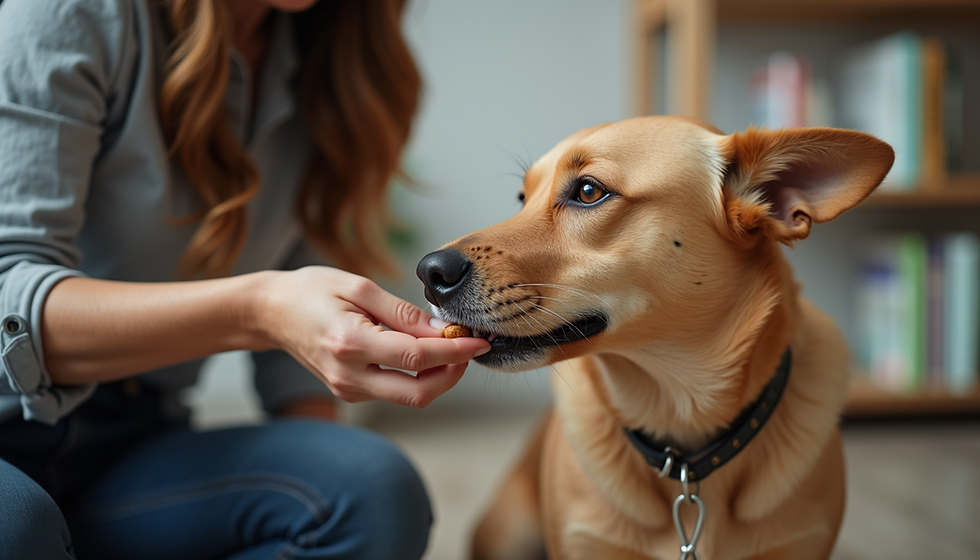
Positive reinforcement is the cornerstone of stress-free training. Reward your dog with treats, praise, or play whenever they do something right. This encourages them to repeat the behavior without fear or pressure.
Avoid punishment or harsh corrections. Instead of saying “No” or using a stern tone, redirect your dog’s attention to the desired behavior and reward that. For example, if your dog jumps up, calmly ask for a sit and reward the sit instead.
3. Create a Calm Environment
Training in a noisy park or busy street can be distracting and stressful for your dog. Start training in a quiet, familiar space where your dog feels safe. Gradually introduce distractions as your dog becomes more confident.
Also, pay attention to your own body language and tone. Dogs pick up on our emotions, so staying calm and relaxed helps them feel the same.

4. Be Patient and Consistent
Learning takes time. It’s easy to get frustrated when your dog doesn’t “get it” right away, but patience is key. Celebrate small wins and understand that setbacks are part of the process.
Consistency is just as important. Use the same commands, gestures, and rewards every time. This helps your dog understand what you expect and reduces confusion.
5. Know When to Take a Break
If either you or your dog is getting stressed, it’s okay to pause. Sometimes a short walk, a play break, or simply stepping away for a few minutes can reset the mood.
Remember, training is about building a positive relationship, not just teaching commands. If stress is high, progress will slow down.
Tools and Techniques That Help Reduce Stress
Clicker Training
Clicker training is a popular positive reinforcement method that uses a small device to make a distinct “click” sound when your dog performs the desired behavior. The click marks the exact moment your dog does something right, followed by a treat.
This clear communication reduces confusion and helps your dog learn faster with less stress. Plus, it’s fun and interactive!
Relaxation Exercises
Teaching your dog to relax on cue can be a game-changer. Simple exercises like “settle” or “place” encourage your dog to lie down calmly in a designated spot.
Start by rewarding calm behavior and gradually increase the duration. This not only reduces stress during training but also helps your dog manage anxiety in other situations.
Use High-Value Treats
Not all treats are created equal. Using high-value treats (think small pieces of chicken, cheese, or special dog treats) can motivate your dog to focus and work harder.
Reserve these treats for training sessions only, so they remain exciting and rewarding.

How to Handle Common Stress Triggers
Fear of New Environments
If your dog gets nervous in new places, start training at home and slowly introduce new environments. Use treats and praise to create positive associations with these places.
Overexcitement or Hyperactivity
For dogs that get too excited during training, incorporate calming techniques like deep pressure (gentle hugs or wraps) or slow, rhythmic petting before starting.
Distractions
Gradually increase distractions during training. Begin with low-level distractions like a family member walking by, then move to busier settings. Always reward focus and calm behavior.
Building a Stress-Free Training Routine
Creating a routine that your dog can rely on helps reduce anxiety. Dogs thrive on predictability, so try to train at the same times each day. Use consistent commands and signals, and always end sessions on a positive note.
Here’s a simple routine example:
Warm-up: 2 minutes of play or gentle petting
Training: 5-7 minutes focusing on one or two commands
Cool-down: 2 minutes of calm interaction or a favorite chew toy
This structure keeps your dog engaged without overwhelming them.
Encouragement for Your Training Journey
Remember, every dog is unique. What works for one might not work for another, and that’s okay. The key is to stay patient, keep sessions positive, and celebrate progress, no matter how small.
If you ever feel stuck, don’t hesitate to reach out to a professional who specializes in positive reinforcement. They can tailor strategies to your dog’s personality and needs.
Training your dog is not just about obedience - it’s about building trust, understanding, and a lifelong friendship. With these stress-free dog training strategies, you’re well on your way to creating a happy, confident, and well-behaved companion.
Ready to make training a joyful experience? Let’s get started today!
If you want to learn more about positive reinforcement and stress-free training, check out Dog Training with Miri, your go-to expert in the Bay Area for transforming your dog’s behavior with kindness and patience.


Comments